On this page
Safe sleep guidance gets repeated so often that it turns into noise. It is worth slowing down once, because the list is short and each item exists for a specific reason.
The American Academy of Pediatrics updated its recommendations in 2022. Around 3,500 babies in the United States die suddenly and unexpectedly while sleeping each year, from sudden infant death syndrome and from accidental suffocation and strangulation.
Key figures
- six months Minimum room-sharing period recommended by AAP
- 3,500 US sudden unexpected infant sleep deaths yearly
The rules
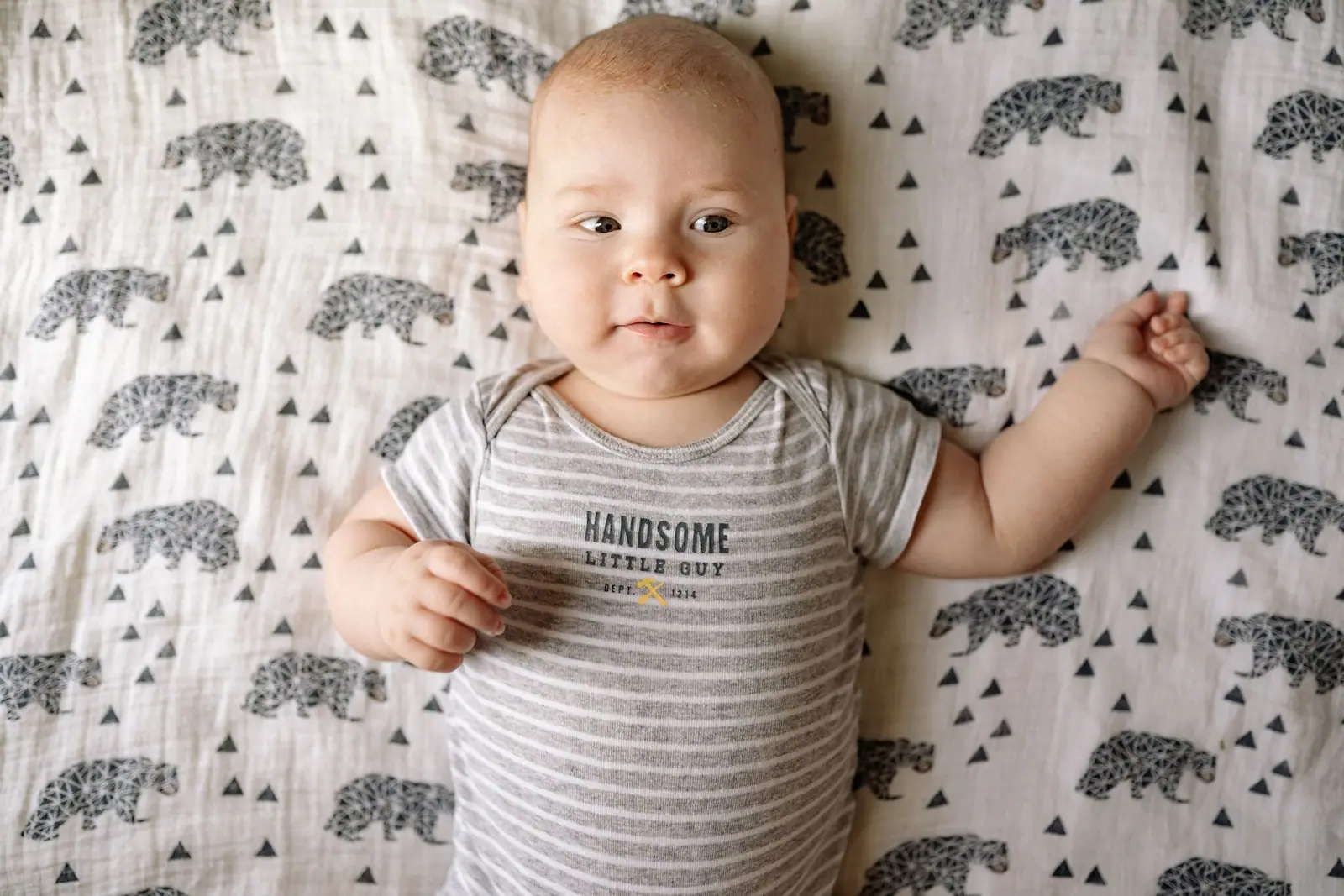
On the back. For all naps and at night, for the whole first year. Not on the side, which is unstable, and not on the front. This holds once a baby can roll both ways on their own: start them on their back and let them find their own position.
On a firm, flat surface. A crib, bassinet, portable crib or play yard that meets current CPSC safety standards. Any surface that inclines more than ten degrees is not safe for sleep.
In your room, for at least six months. The AAP recommends room-sharing with the baby in their own sleep space. It is associated with a substantially lower risk than sleeping in a separate room.
Not in your bed. The AAP recommends avoiding bed-sharing under any circumstances.
Nothing else in the space. Keep out soft objects and loose bedding, including pillows and pillow-like toys, quilts, comforters, mattress toppers, non-fitted sheets, blankets, toys and bumper pads.
Why the sofa is the most dangerous place
The AAP singles out couches, sofas, armchairs and similar cushioned surfaces, where the risk of a sleep-related death is dramatically higher than in a crib. This is the rule that gets broken accidentally, at four in the morning, by an exhausted parent who did not mean to fall asleep.
If you are feeding at night and there is any chance you will doze, do it somewhere the baby cannot become wedged, and move them to their own flat surface as soon as you can.
Everyone knows the rules. The nights they get broken are the nights nobody planned for. Decide in advance where you will feed at 3am, and keep that place free of cushions and blankets.
What else helps
- Swaddling stops when rolling starts. A swaddled baby who rolls cannot push themselves back.
- Car seats, strollers, swings and carriers are not sleep spaces. Move a sleeping baby out of them when you reasonably can.
- Keep the room comfortable rather than warm, and skip hats indoors.
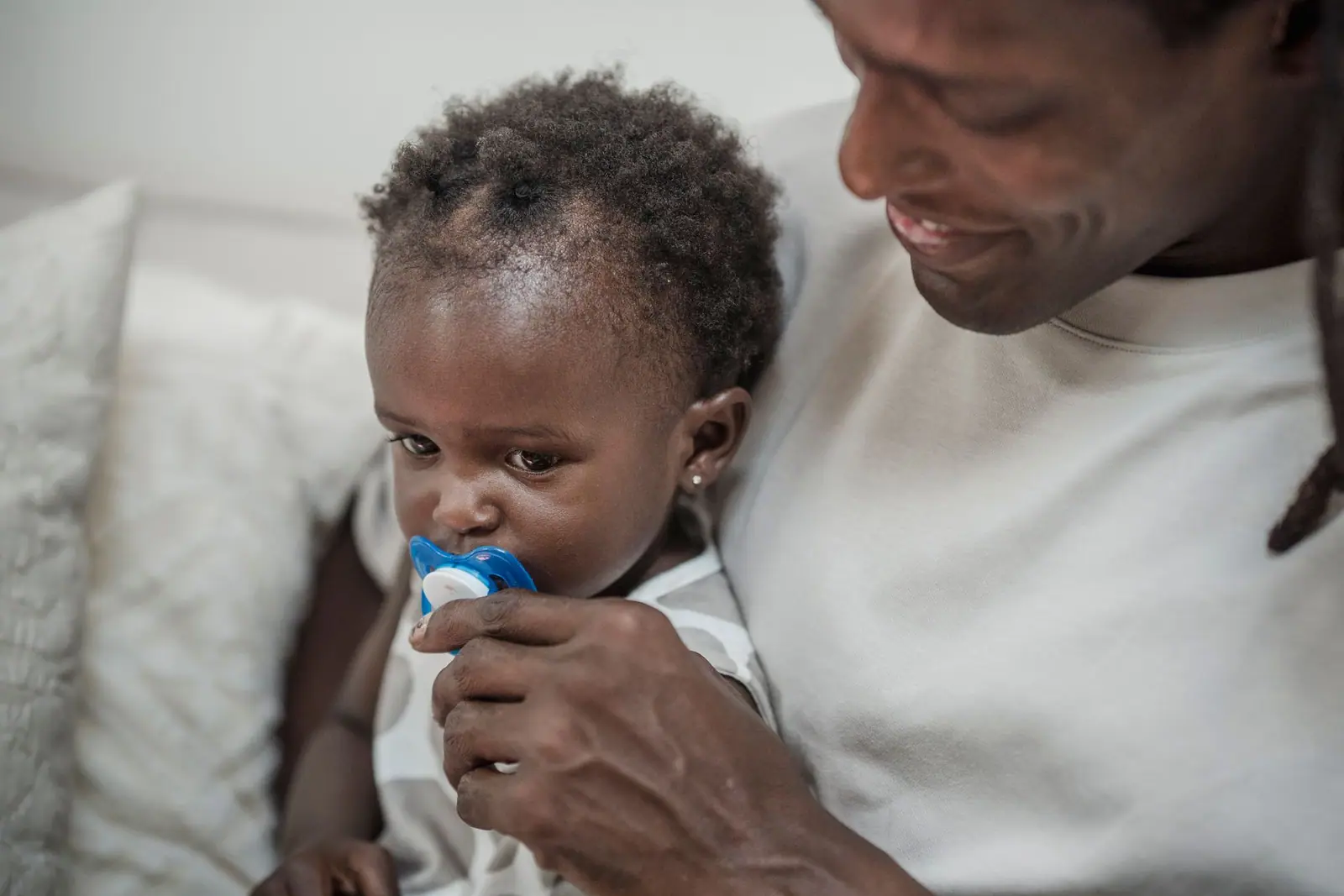
- Offer a pacifier at sleep time once feeding is established. The association with lower SIDS risk is one of the more consistent findings.
- No smoking, in pregnancy or around the baby. One of the strongest modifiable risk factors there is.
Where to check the current version
Guidance changes. The AAP publishes its parent-facing version on HealthyChildren.org, and that page is the one to check rather than an old printout or a well-meaning relative’s memory of what was recommended in 1994.
When purchasing a sleep space, the bassinet-versus-crib guide compares the equipment decision. The inclined sleeper and crib bumper ban guide explains why some marketed accessories should be excluded from that setup.
Questions people ask
What if my baby rolls onto their front in the night?
Once a baby can roll both ways independently, the AAP guidance is to place them on their back and let them find their own position. Keep the sleep space bare.
How long should the baby sleep in our room?
At least the first six months, in their own sleep space rather than your bed.
When can a baby have a blanket?
The AAP advises keeping blankets out of the sleep space during infancy. A wearable blanket or sleep sack is the usual answer for warmth.
Are home baby monitors that track breathing recommended?
The AAP does not recommend using cardiorespiratory monitors as a strategy to reduce SIDS risk. They are not a substitute for a safe sleep space.
Where these figures come from
- How to Keep Your Sleeping Baby Safe: AAP Policy Explained American Academy of Pediatrics, HealthyChildren.org · healthychildren.org
- Creating a Safe Sleep Environment Safe to Sleep, NICHD, National Institutes of Health · safetosleep.nichd.nih.gov
Figures last checked September 2026.