On this page
The formula aisle is designed to make you anxious. Tins are arranged by price, described in language borrowed from research papers, and none of it tells you the one thing that matters most: whether the cheap one is adequate.
It is, and that is not an opinion.
What the rules require
FDA regulations specify 30 nutrients that infant formula must contain, with minimum amounts for 29 of them and maximum amounts for nine.
Every infant formula marketed in the United States must meet those federal nutrient requirements, and imported products have to meet the same US requirements for safety and nutritional adequacy.
Manufacturers also have to follow sanitary controls set in federal law and maintain systems designed to keep formula from becoming contaminated during manufacture.
The exception the FDA names: formulas made and labelled for infants with particular medical conditions, such as metabolic disorders or low birth weight, which are not held to the same general requirements because they are designed for different needs.
It does not mean all formulas suit all babies. Tolerance varies, and a baby with reflux, a suspected allergy or slow weight gain is a conversation with your pediatrician, not a price comparison.
What is actually different between products
- Form. Powder, liquid concentrate and ready-to-feed. Ready-to-feed is the most convenient and by far the most expensive per ounce.
- Protein source and processing. Cow’s milk based, soy based, partially or extensively hydrolysed. These matter for specific medical reasons, not as a general upgrade.
- Added ingredients that go beyond the required nutrients. Some are well studied, some are marketing. None of them change whether the formula is adequate.
- Price. Store brands are manufactured to the same federal requirements and usually cost substantially less.
How to compare on price properly
The tin states how many prepared ounces or feeds it makes. Divide the price by that number and you have the only comparison that means anything. The ranking usually differs from the shelf price ranking, sometimes dramatically once ready-to-feed is included.
Preparation, which matters more than brand
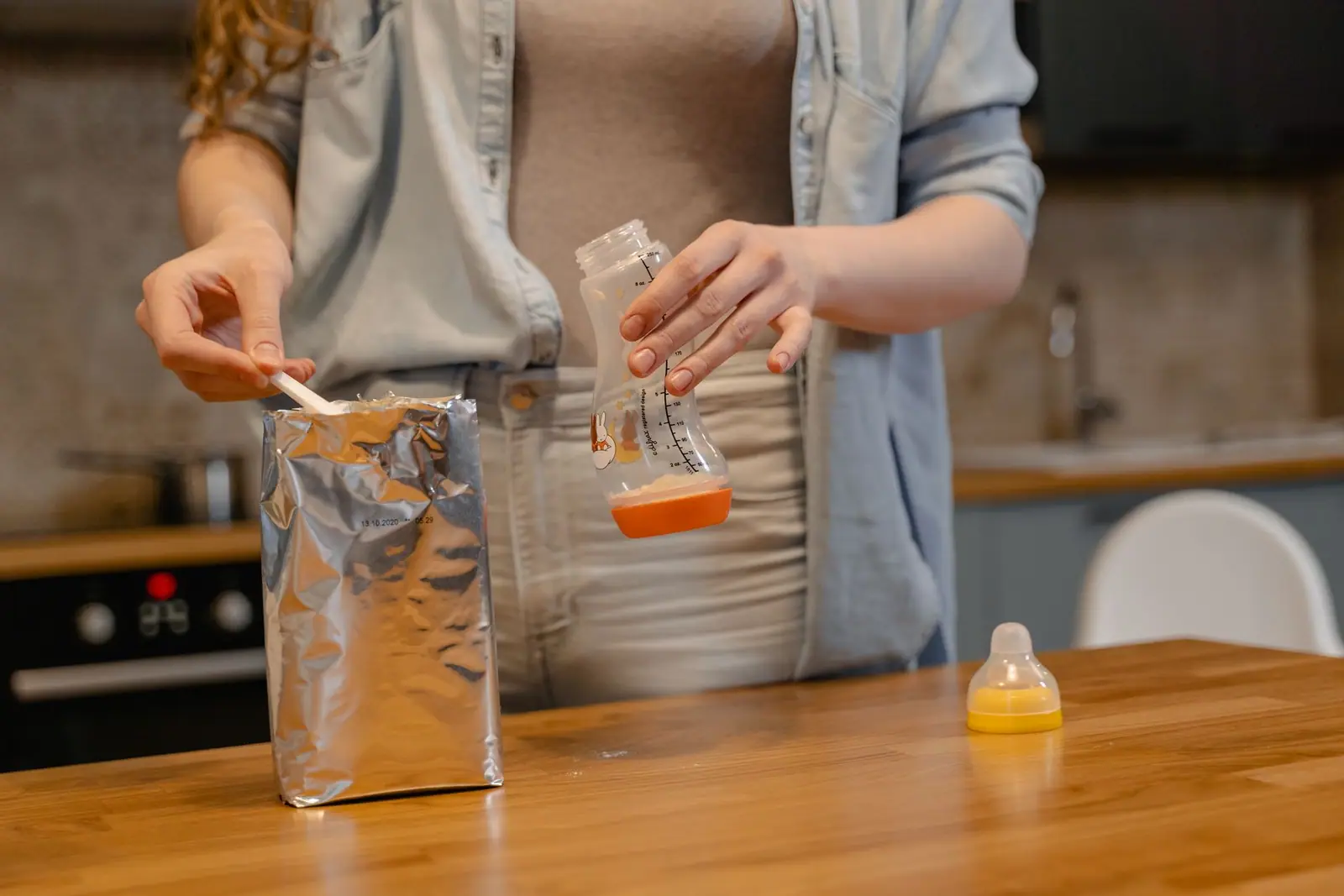
The FDA publishes guidance on handling formula safely. The points that matter most in a sleep-deprived house:
- Wash hands and sterilise bottles appropriately for your baby’s age and health.
- Follow the mixing ratio exactly. Diluting formula to make it last is dangerous and can cause serious harm.
- Use prepared formula within the stated time, and discard what is left in a bottle after a feed.
- Never use a recalled batch. Check the recall notices by lot number, which is how the 2022 shortage began for many families.
- Do not make your own formula or use imported products not intended for the US market. Homemade recipes have caused hospitalisations.
Once a formula category is selected, compare powder with ready-to-feed formula for preparation and purchase costs. The monthly diapers and formula budget translates feeding purchases into a recurring household expense.
Questions people ask
Is store brand formula as good as name brand?
It has to meet the same FDA nutrient requirements. The differences are form, added optional ingredients and price rather than nutritional adequacy.
Can I switch formula brands?
Most babies tolerate a switch between standard cow's-milk-based formulas. If your baby has a medical reason for a particular formula, ask your pediatrician before changing.
Is European formula better?
Products not intended for the US market have not been reviewed against US requirements and their labels may not carry US preparation instructions. The FDA advises against importing formula informally.
Does formula need to be warmed?
No. Babies can take it at room temperature. If you do warm it, use a bottle warmer or warm water rather than a microwave, which heats unevenly and can scald.
Where these figures come from
- Questions and Answers for Consumers Concerning Infant Formula US Food and Drug Administration · fda.gov
- Infant Formula US Food and Drug Administration · fda.gov
- Handling Infant Formula Safely US Food and Drug Administration · fda.gov
Figures last checked September 2026.