On this page
This is one of the few benefits in American healthcare that is both broad and underused, largely because nobody tells you about it until you go looking.
What the law requires
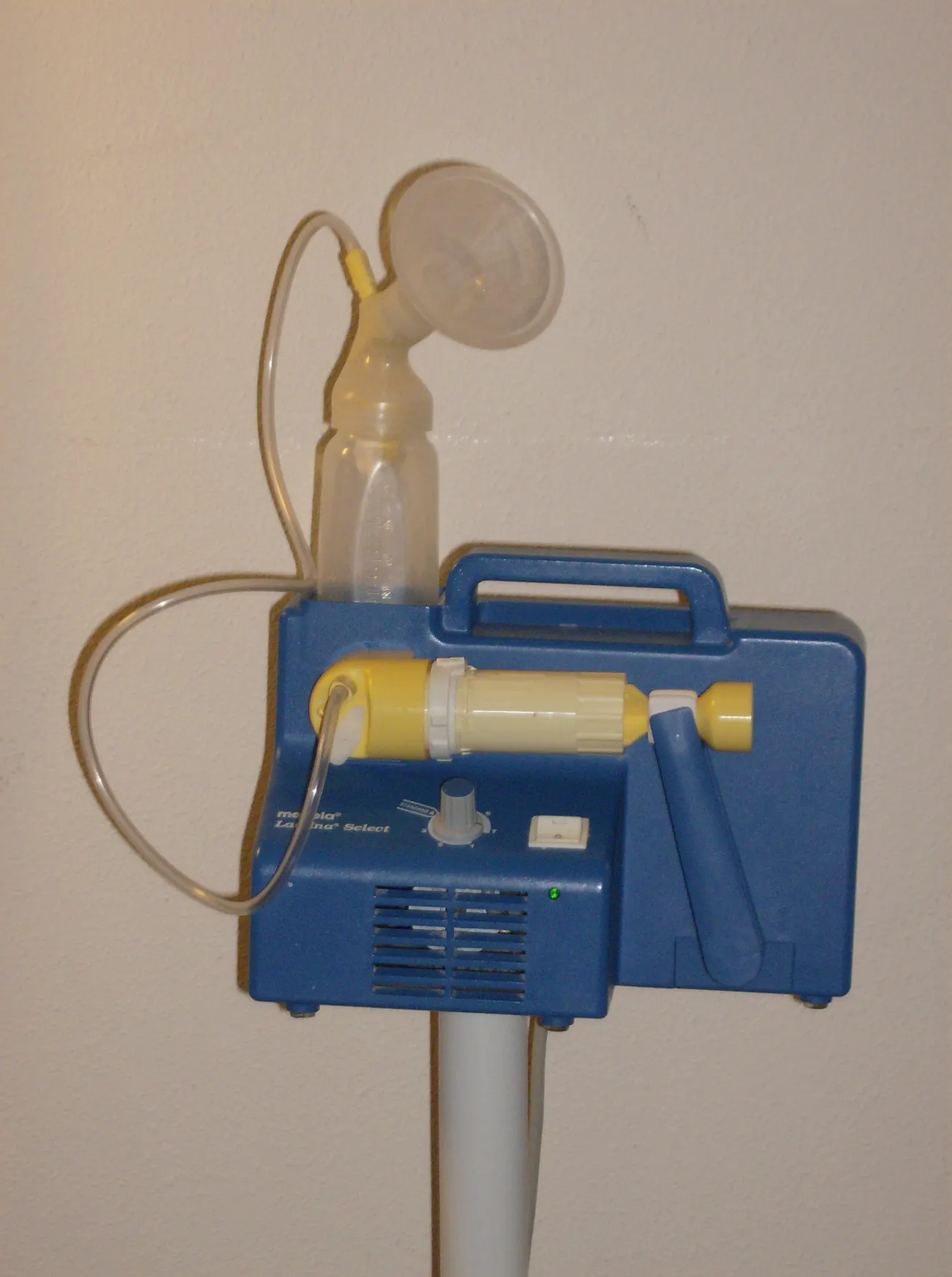
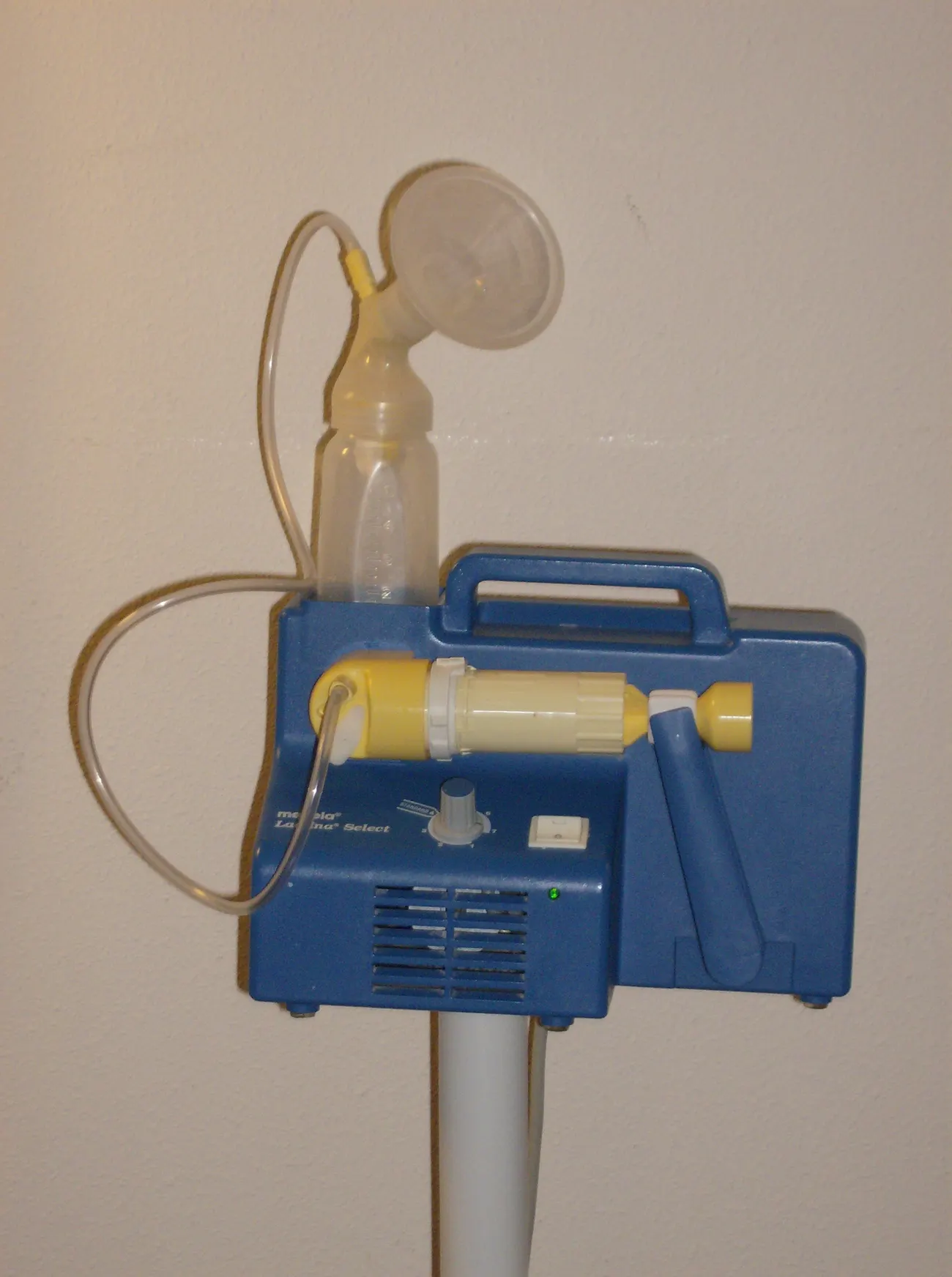
HealthCare.gov states it plainly: your health insurance plan must cover the cost of a breast pump, either a rental unit or a new one you keep. It also covers breastfeeding support and counselling from trained providers, and access to breastfeeding supplies, for pregnant and nursing people.
This comes from the Affordable Care Act’s preventive services requirement, which applies to Marketplace plans and most other plans. Preventive services are generally covered at no cost to you when you use an in-network provider, even if you have not met your deductible.
The exception is grandfathered plans, a shrinking category of plans that existed before the law and have not changed materially since. If you are unsure, ask your plan directly.
Buying a pump and asking for reimbursement afterwards is where people get caught. Call the number on your card first and ask exactly how your plan supplies pumps: a specific supplier, a catalogue, a prescription, or a receipt.
What your plan still gets to decide
HealthCare.gov notes that a plan may set guidelines on:
- Whether the covered pump is manual or electric.
- How long a rental lasts, if it covers a rental rather than a purchase.
- When you receive it, before or after the birth.
Plans often work through a single durable medical equipment supplier, and they usually cover a standard model with an option to pay the difference for an upgrade.
The five questions to ask, in one call
- Is a pump covered, and is it a purchase or a rental?
- Which supplier do I have to use, and do I need a prescription from my doctor?
- When can I order it, before or after the birth?
- Which model is covered in full, and what does an upgrade cost?
- Are replacement parts and supplies covered, and how often?
Write down who you spoke to and when. If a claim is denied later, that note is what gets it reversed.
Lactation support is the part people skip
The same preventive services rule covers comprehensive lactation support and counselling from trained providers. A single consultation in the first week solves problems that otherwise end feeding entirely, and it is usually covered without cost sharing in network.
If your plan cannot name an in-network lactation consultant, ask how they cover an out-of-network one, and ask them to put the answer in writing.
At work
Federal law also requires many employers to provide reasonable break time and a private space, not a bathroom, for an employee to express milk. The rules on who is covered changed in recent years, so check the current Department of Labor guidance for your situation.
If insurance does not supply the chosen arrangement, the pump rental-versus-purchase guide compares that separate expense. Include recurring replacements from the breast pump parts budget when calculating the household’s share.
Questions people ask
Does insurance cover a breast pump?
Most plans must cover one under the Affordable Care Act's preventive services requirement. The plan may decide whether it is manual or electric, rented or bought, and when you receive it.
When can I order my pump?
It depends on the plan. Some supply before the due date, others only after birth. Ask during pregnancy so you are not arranging it in the first week.
Are replacement parts covered?
Often yes, as supplies, on a set schedule. Ask specifically, because it is rarely offered without being asked for.
What if my plan says it is not covered?
Ask whether the plan is grandfathered, and ask for the denial in writing. Grandfathered plans are exempt from the preventive services requirement, and most other plans are not.
Where these figures come from
- Breastfeeding benefits HealthCare.gov · healthcare.gov
- Preventive care benefits for women HealthCare.gov · healthcare.gov
Figures last checked September 2026.