On this page
Breast pump parts can become a recurring expense even when insurance supplies the motor. Soft valves, membranes and tubing do different jobs and do not necessarily share a replacement schedule. Build the budget around the exact pump, the number of pumping sides and the manufacturer’s instructions rather than buying every accessory under the brand name.
The examples below use Spectra’s U.S. published prices checked in October 2026. They show why pack counts matter: a two-valve set and a one-side accessory kit are different units. Other brands and wearable models can use different parts, so these prices are examples for the identified system rather than universal pump-maintenance costs.
Key figures
- $14.99 Spectra pack of two duckbill valves
- $34.99 Spectra accessory kit for one side
- $69.98 Example: two Spectra accessory kits
Pack counts change the spare-set total
| Published Spectra item | Package and price | Double-pumping purchase where relevant |
|---|---|---|
| Duckbill valves | 2 valves, $14.99 | One pack supplies two valves |
| Backflow protector | 1 protector, $10.49 | Two cost $20.98 |
| Replacement tubing | 1 tube, $11.49 | Two cost $22.98 |
| Wide breast flange, single | 1 flange, $14.99 | Two cost $29.98 |
| Premium Accessory Kit | One-side kit, $34.99 | Two kits cost $69.98 |
Source note: Spectra’s U.S. collection, duckbill, backflow, tubing and Premium Accessory Kit pages checked October 2026. These are item prices before tax and shipping. The manufacturer offers several kit and flange configurations; select the parts compatible with the exact pump and fit.
- Pair of valves$14.99
- One backflow protector$10.49
- One tube$11.49
- One flange$14.99
Spectra U.S. listings, checked October 2026. Packages differ: the valve price buys a pair; protector, tube and flange prices buy one.
The Premium Accessory Kit page describes one bottle with nipple, disc, cap and cover, one flange, one valve, one backflow protector and one tube with adapter. The $34.99 headline therefore should not be budgeted as a full two-sided spare kit. Confirm what is already included with the purchased or insured pump before adding duplicates.
A household may want spare milk-contact pieces while another set dries, without needing spare tubing for the same reason. Buying a kit can simplify ordering, but item-by-item replacement avoids paying for parts that have not worn out. Compare the pieces required for the job before choosing the larger package.
The valve interval depends on pumping frequency
Spectra’s FAQ distinguishes exclusive pumping from pumping one to three times daily. It lists duckbill valves at two to four weeks for exclusive pumping and three months for the lower-frequency example. It lists backflow protectors at two months versus six months, and tubing as needed in both cases.
Use those published intervals to plan a reserve, then follow the model’s instructions and replace damaged parts sooner. They are not a guarantee that every valve lasts until the calendar date. A valve with a tear or a visibly worn opening should not be kept in service simply because there is money left in the quarterly budget.
For a labeled 52-week worksheet, a four-week replacement cycle calls for 13 sets in circulation across the year. At $14.99 per two-valve set, buying all 13 would cost $194.87. If the first set came with the pump, the additional 12 sets would instead cost $179.88. The distinction prevents charging the included starting parts twice.
For a three-month planning interval, four sets span a year. Purchasing all four costs $59.96; starting with one included set leaves three purchases totaling $44.97. The $134.91 difference between the two from-scratch scenarios illustrates the effect of frequency, not a recommended reduction in pumping or maintenance.
Spare kits help only if cleaning remains organized
CDC recommends cleaning pump parts that contact milk after each use. A spare set can allow another session while used pieces are being washed and dried. It cannot justify assembling the next kit from dirty parts because they were kept in a refrigerator or briefly rinsed.
Keep clean, fully dry pieces in a protected storage area and used pieces separate. Inspect the required small components during assembly; a kit containing the large flange and bottle but missing its valve is not ready for use. A labeled container for each model helps when more than one pump is used at home and work.
The breast milk cooler guide concerns storing milk, while cleaning parts is a separate task. Refrigerating milk and refrigerating unwashed equipment are not interchangeable practices. Build the workday around access to a cleaning method or enough clean kits for the sessions planned.
Each component has its own cleaning limits
Spectra’s FAQ says its tubing should not be washed or sterilized and warns against using wet tubing. It calls for immediate replacement if tubing becomes moldy. Those instructions concern the named closed-system arrangement; a rule for a milk-contact bottle should not be applied automatically to tubing or the electrical motor.
The same FAQ distinguishes hard plastic accessories from silicone pieces and gives different heat-exposure instructions. Rather than using a generic boiling duration for every component, read the pump instructions and the accessory manufacturer’s guidance together. A high-temperature method that distorts a valve creates another replacement expense and a performance problem.
FDA’s pump-cleaning guidance says milk-contact parts such as bottles, valves and shields should be cleaned after each use. It separates cleaning of the motor unit from washing those pieces. Never immerse an electrical pump because its detachable accessories can be washed.
Ask a lactation professional or clinician about pain, fit or feeding concerns. Replacing a worn valve can address a worn part; it does not diagnose a milk-supply problem. CDC emphasizes careful cleaning and extra sanitizing precautions for younger or higher-risk infants, using methods compatible with the equipment.
Compatibility matters more than the shared brand name
Spectra sells different replacement pieces for its traditional pumps, CaraCups and Premier Wearable model. The page for the wearable duckbill and backflow kit says it is not compatible with S1, S2, S3, 9 Plus or Synergy Gold pumps. Do not assume two similarly named valve products serve the same collection system.
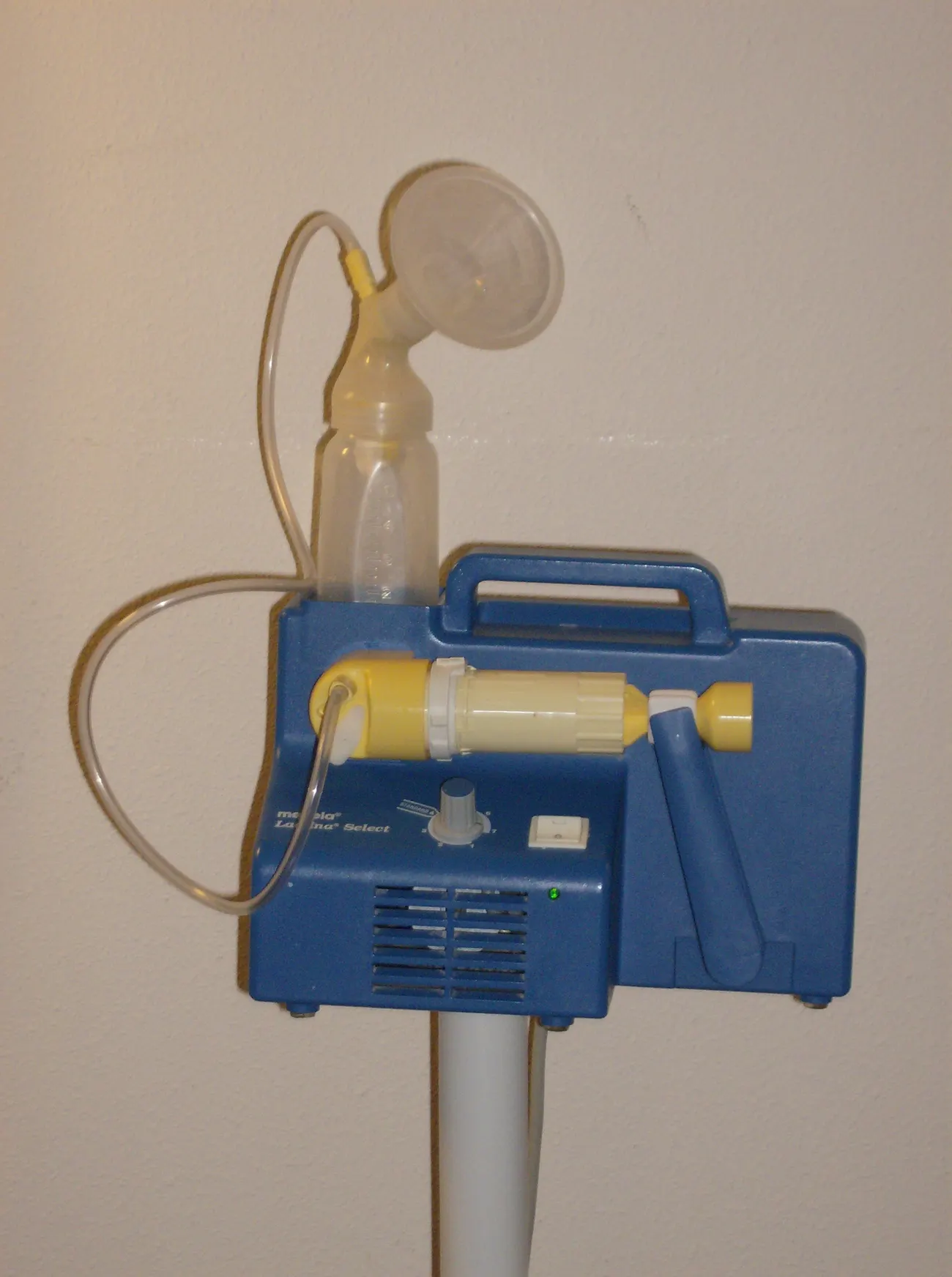
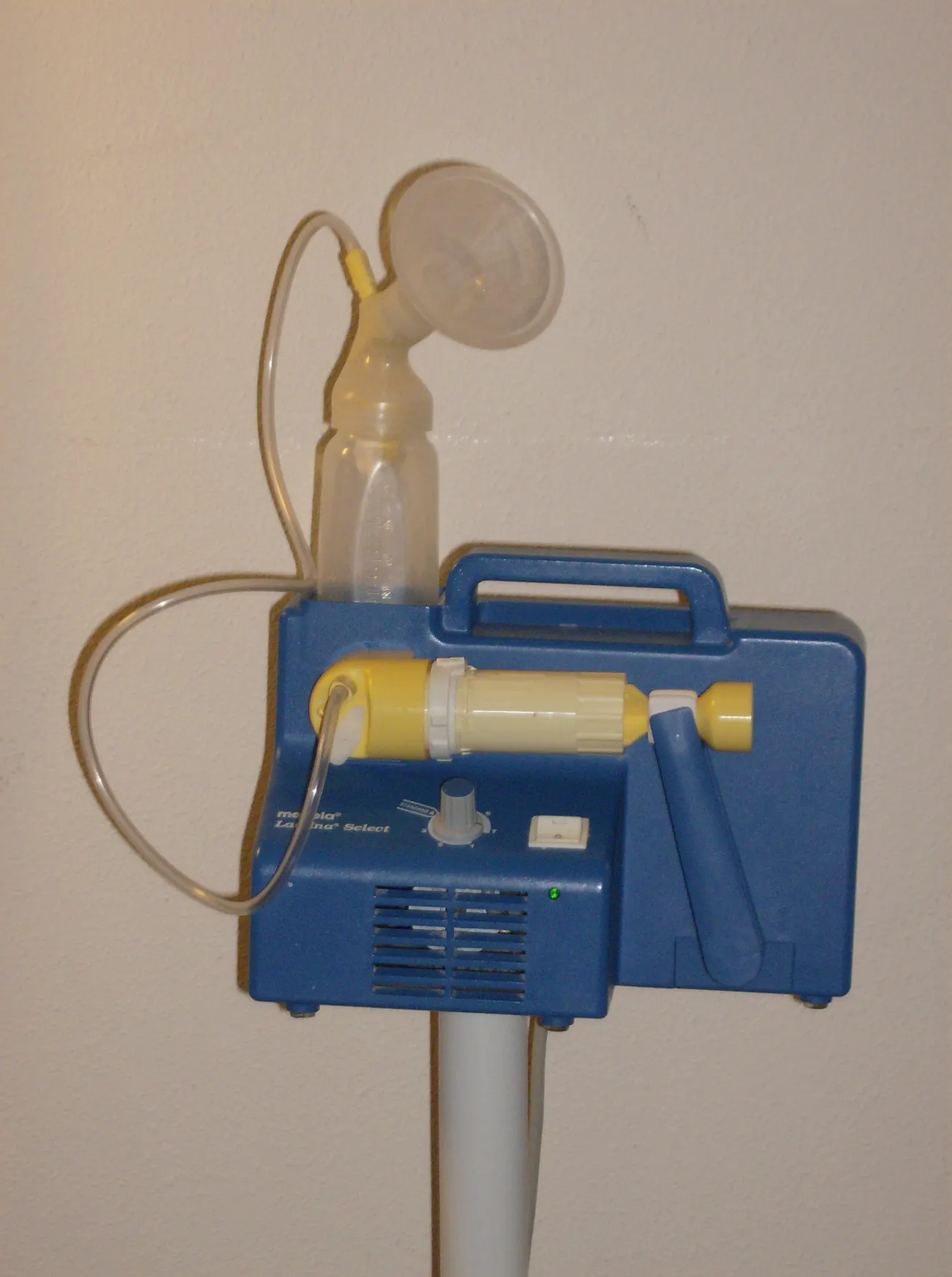
Record the pump model, accessory identifier, flange size and pack count before ordering. The hero photograph shows an older Medela Lactina Select, whose parts are not the Spectra pieces priced here. It illustrates the separate tubing, shield and collection components without claiming that they interchange across manufacturers.
The rental versus purchase guide explains the personal kit required with multi-user rentals. The insurance coverage guide addresses supplier and benefit questions. Ask about replacement coverage and timing before paying cash, then budget only the uncovered parts and extras the household will use.
Questions people ask
Does the $34.99 kit cover both pumping sides?
The Premium Accessory Kit page describes one side for single pumping. Two such kits cost $69.98 before tax and shipping.
How much do four two-valve sets cost?
At the posted $14.99 set price, four cost $59.96. If one set was included initially, three additional purchases cost $44.97.
Should Spectra tubing be washed with the bottles?
Spectra's FAQ says not to wash or sterilize its tubing and not to use wet tubing. Follow the exact model's instructions and replace moldy tubing.
Do all Spectra duckbill products fit every model?
No. The manufacturer lists different collection systems and explicitly excludes the traditional pumps from the Premier Wearable replacement kit's compatibility.
Where these figures come from
- Current Replacement Part Prices Spectra Baby USA · spectrababyusa.com
- Premium Accessory Kit: One-Side Contents Spectra Baby USA · spectrababyusa.com
- Duckbill Set: Two-Valve Package Spectra Baby USA · spectrababyusa.com
- Replacement Intervals and Cleaning Instructions Spectra Baby USA · spectrababyusa.com
- Wearable Replacement Kit Compatibility Spectra Baby USA · spectrababyusa.com
- How to Clean and Sanitize Breast Pumps Centers for Disease Control and Prevention · cdc.gov
- Cleaning a Breast Pump U.S. Food and Drug Administration · fda.gov
Figures last checked October 2026.