On this page
The choice feels bigger than it is. The safety guidance treats all these products the same way as long as they meet the federal standards, so the decision is about your bedroom, your budget and how long you want the thing to last.
Key figures
- six months Minimum room-sharing period recommended by AAP
- ten degrees Threshold in the inclined-sleeper ban
What the guidance actually requires
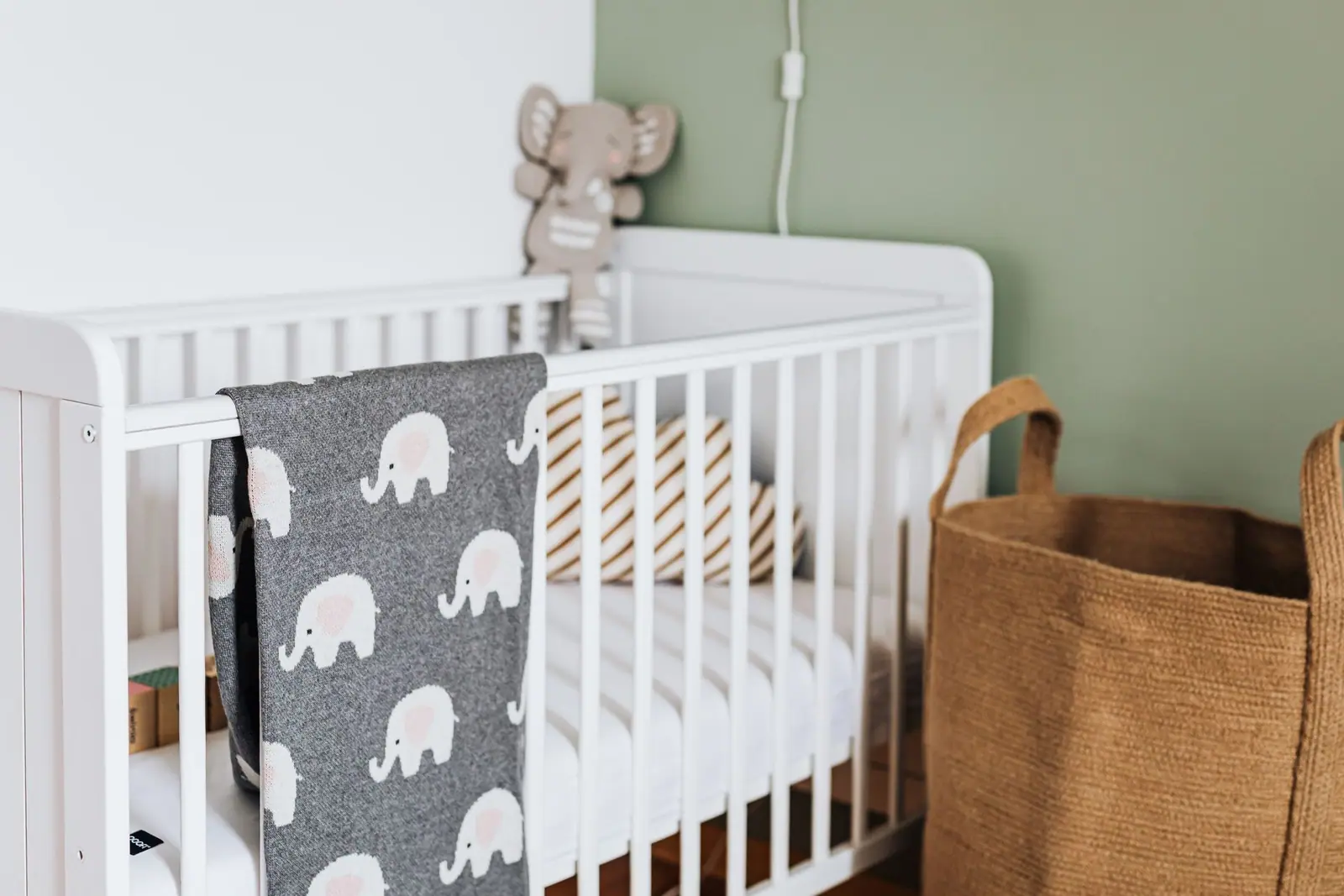
The American Academy of Pediatrics says a baby should sleep on a firm, flat sleep surface in a crib, bassinet, portable crib or play yard that meets the safety standards of the Consumer Product Safety Commission.
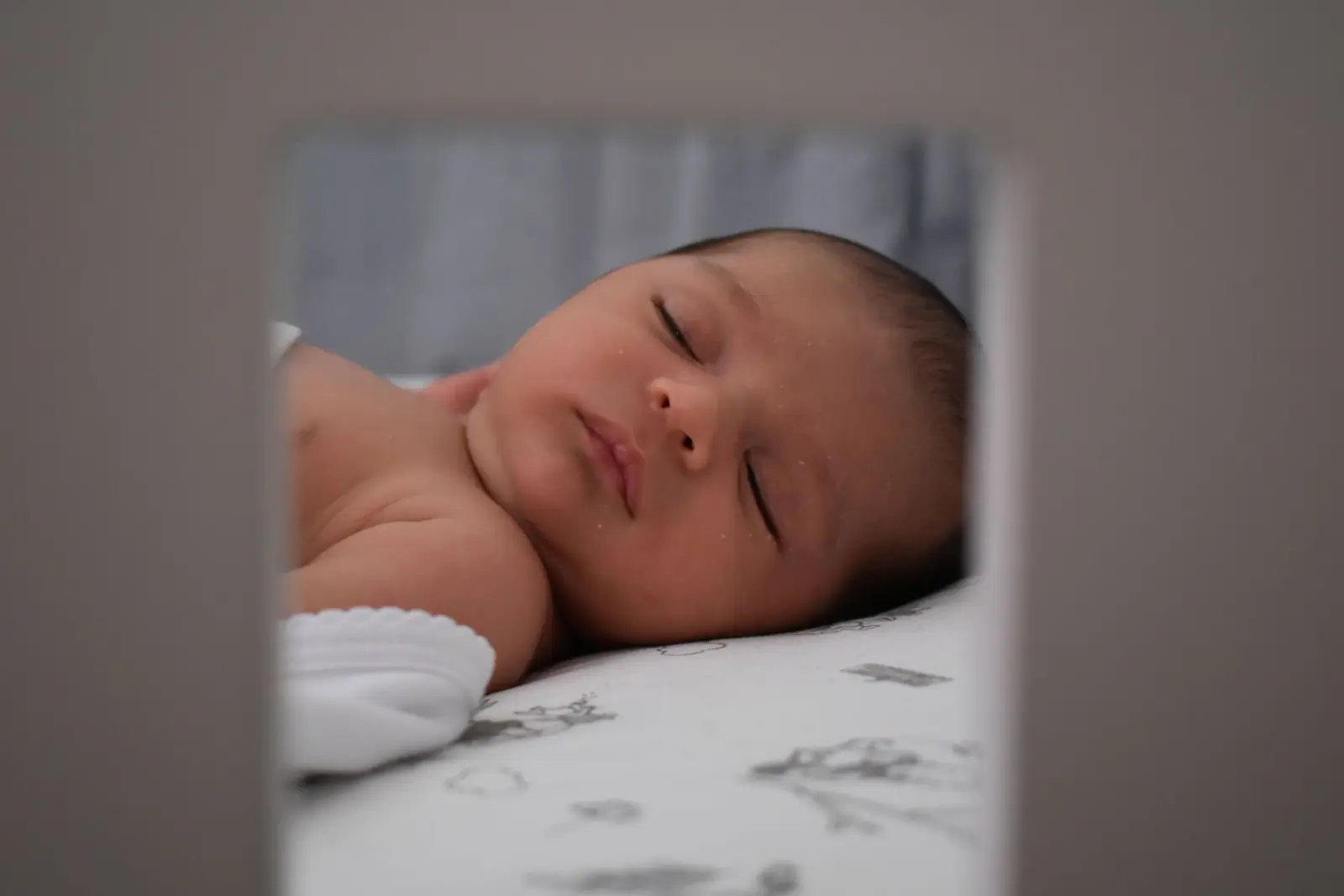
It also recommends sharing a room with your baby for at least the first six months, with the baby in their own sleep space rather than in your bed.
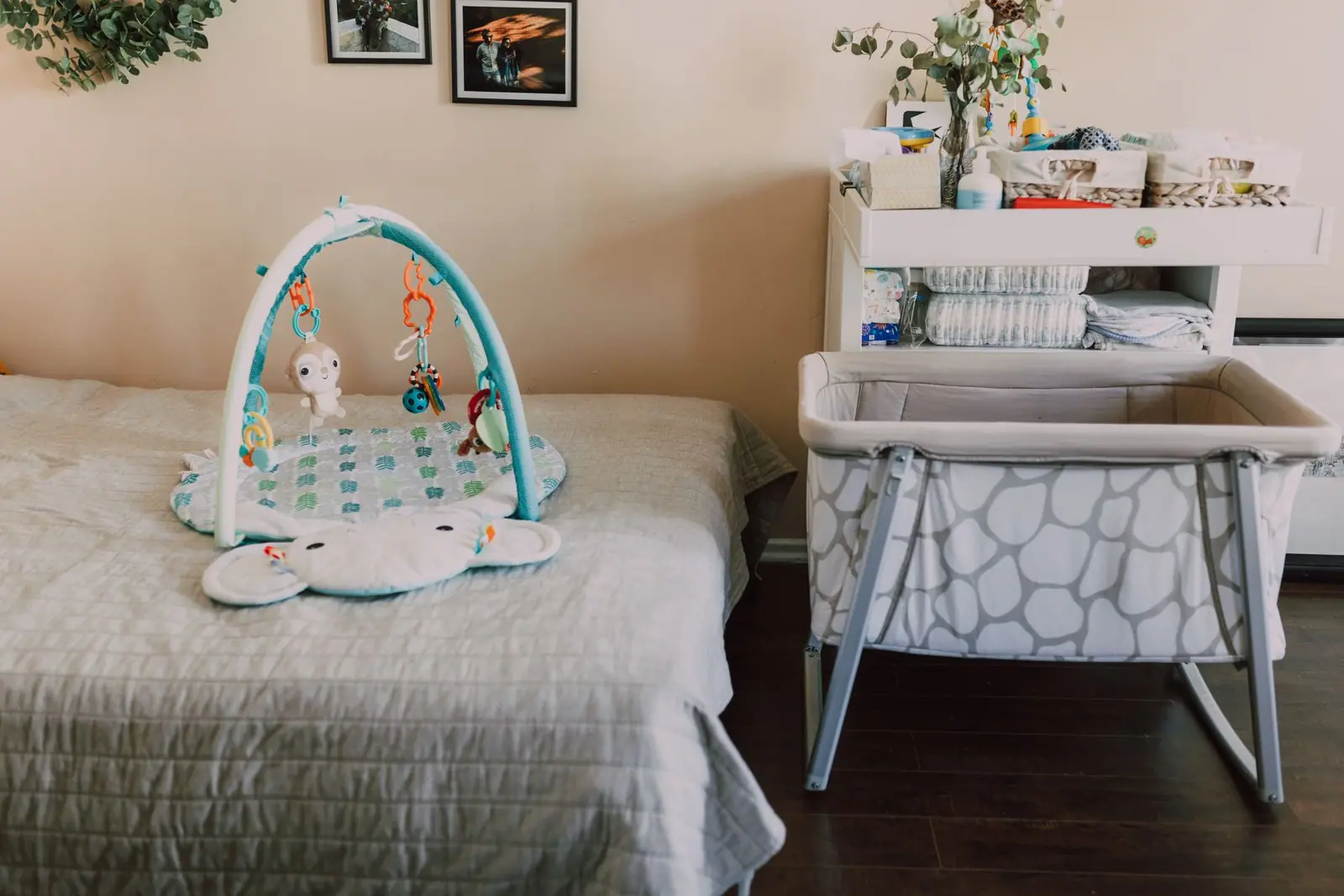
That combination is why bassinets exist: most bedrooms cannot take a full-size crib beside the bed.
The practical differences
| Bassinet | Play yard | Crib | |
|---|---|---|---|
| Fits beside a bed | Yes | Usually | Rarely |
| Typical useful life | A few months, or until the baby can push up or roll | Longer, often into the second year | Until the toddler years |
| Portable | Some | Yes, folds for travel | No |
| Weight limit | Low, printed on the product | Higher | Not the limiting factor |
| Cost | Lowest | Low to moderate | Highest |
The weight and development limits on a bassinet are the ones people miss. Most say to stop using it when the baby can push up on hands and knees, roll over, or reaches a stated weight, whichever comes first. That is often around four months, sometimes sooner.

What matters more than which one you buy
- It meets current standards. New means it does. Secondhand means checking the date and the recall database.
- The mattress is firm and fits. Use the mattress or pad that came with the product, not a softer replacement, and no extra topper.
- Fitted sheet only. No bumpers, blankets, pillows or toys.
- Flat. Nothing inclined more than ten degrees, which is now also the law for products sold for infant sleep.
- It is on the floor, stable, and away from cords. Blind and curtain cords are a strangulation hazard near any sleep space.
Sleep positioners, wedges, special mattresses that claim to reduce risk, and anything that straps a baby in place have no safety benefit and add risk. The approved kit list is short: a compliant product, its firm flat mattress and a fitted sheet.
The honest recommendation
If money is tight, buy one compliant crib and put it in your room for the first months if it fits, or buy a play yard with a bassinet level and use it as both. If your bedroom is small, a bassinet for the first months plus a crib afterwards is the usual route, and the bassinet is the item most worth borrowing from someone you trust, because it is used briefly and gently.
Check the product against crib safety standards before comparing convenience features. The crib mattress replacement guide covers a separate purchase that can affect the sleep-space budget.
Questions people ask
Do I need a bassinet and a crib?
No. A crib in your bedroom, or a play yard with a bassinet level, covers both jobs. A bassinet is convenience for the first months, not a requirement.
When does a baby outgrow a bassinet?
When they reach the weight limit or can push up on hands and knees or roll over, whichever comes first. The limits are printed on the product.
Can a baby sleep in a play yard every night?
Yes, if it meets current federal standards and is used with its own firm mattress pad and a fitted sheet.
Is a bedside sleeper that attaches to the bed safe?
Products intended for infant sleep must meet the CPSC infant sleep product standard, so check that it does and follow the manufacturer's instructions exactly. The AAP recommends room-sharing without bed-sharing.
Where these figures come from
- How to Keep Your Sleeping Baby Safe: AAP Policy Explained American Academy of Pediatrics, HealthyChildren.org · healthychildren.org
- CPSC Approves Rules Implementing Bans on Inclined Sleepers for Infants and Crib Bumpers US Consumer Product Safety Commission · cpsc.gov
Figures last checked September 2026.