On this page
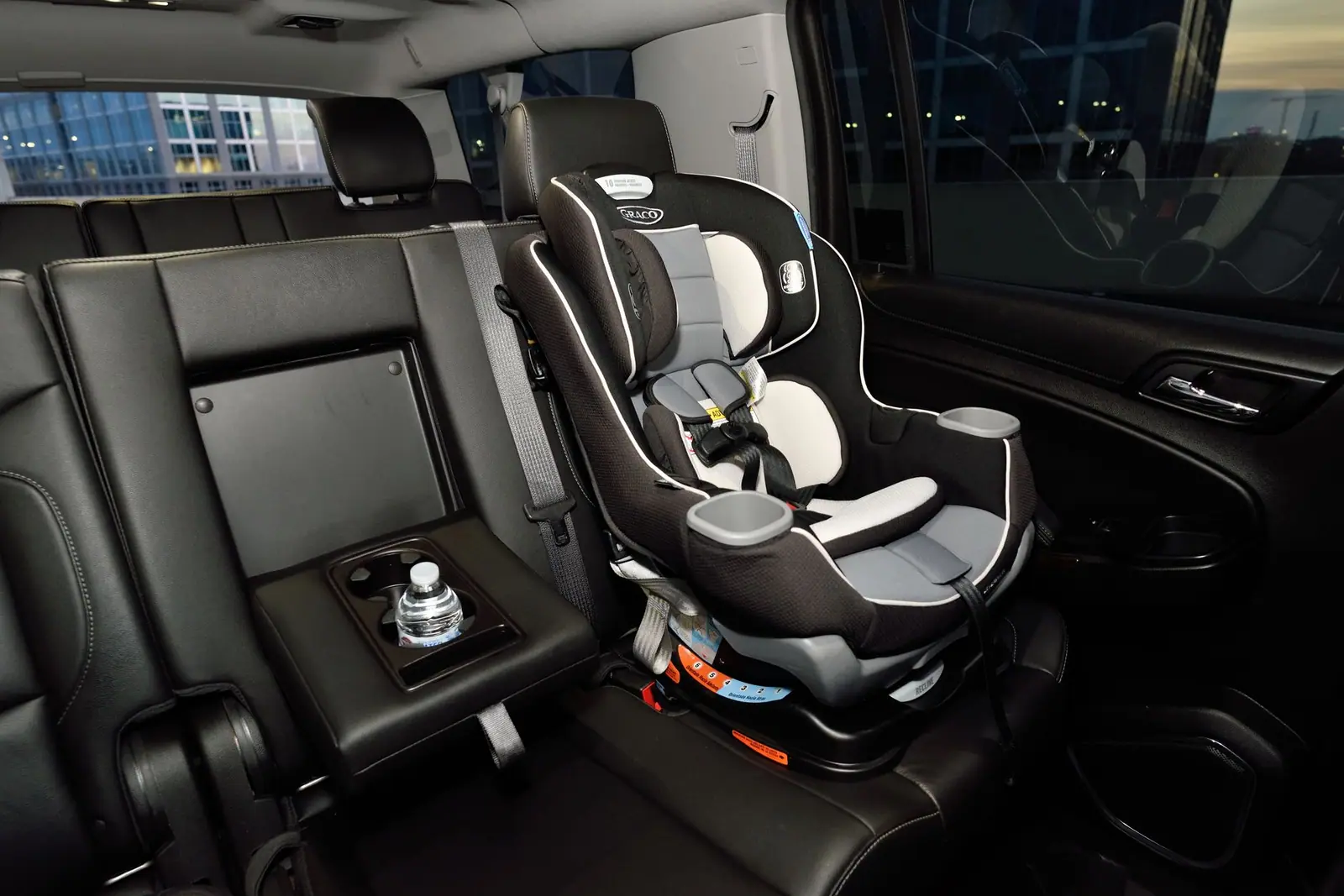
Almost everything for a baby can sensibly be bought secondhand. A car seat is the clearest exception, and the reason is not marketing: it is that the thing you are buying is a single-use safety device with a history you cannot see.
What disqualifies a seat
The American Academy of Pediatrics is direct about this. Do not use a car seat that:
- Has been in a crash.
- Has been recalled.
- Is too old. Check the expiration date, and if there is none, the AAP says to treat six years from the date of manufacture as the limit.
- Has any cracks in the frame.
- Is missing parts, including the instruction manual and labels.
Any one of those is enough on its own.
The crash rule, precisely
A seat that has been in a moderate or severe crash must be replaced. For a minor crash, the AAP cites the NHTSA definition, and all of these must be true:
- The vehicle could be driven away from the crash.
- The door nearest the car seat was undamaged.
- Nobody in the vehicle was injured.
- The airbags did not deploy.
- There is no visible damage to the car seat.
Even then, some manufacturers say to replace the seat after any crash. Their manual is the final word for their product.
From a relative whose car you know, the crash history is answerable. From a marketplace listing it is not, and “it was never in an accident” is exactly what someone selling a seat that was in an accident would also say.
If you do take a hand-me-down
From someone you trust, work through this in order:
- Find the labels. Model number and date of manufacture. No labels, no deal.
- Check the expiration date, usually moulded into the shell or printed on a label.
- Check for recalls on the manufacturer’s site or the federal recall database, using the model number and date.
- Ask about crashes, and about drops onto hard floors.
- Check completeness: harness, chest clip, tether strap, inserts and manual. Manuals are usually downloadable, and missing parts can often be ordered from the manufacturer.
- Look at the webbing and plastic. Fraying, sun-bleaching or brittleness all mean no.
Where the money is better saved
Clothes, most furniture, carriers, high chairs, toys and books all take secondhand well. If budget is the problem, some hospitals, health departments and local programmes distribute new car seats at low or no cost, which is a better outcome than an unknown seat.
Start with car seat stages to identify the restraint the child requires. Then use the baby gear recall guide to check the exact model, rather than a similar-looking product.
Questions people ask
Do car seats really expire?
Manufacturers set a useful life for their seats, and the AAP advises against using a seat past it. If no date is printed, the AAP suggests six years from manufacture.
Can I use a car seat after a minor crash?
Only if all five NHTSA conditions are met and the manufacturer allows it. Many manufacturers require replacement after any crash, so check their manual.
Is it safe to buy a car seat secondhand?
Only when you can verify the history, which usually means a seat from someone you know. A listing from a stranger cannot be verified, and the AAP's disqualifying list is long.
What do I do with an expired seat?
Do not pass it on. Cut the harness straps, mark it as expired, and check for a local car seat recycling or trade-in event.
Where these figures come from
- Car Seats: Information for Families American Academy of Pediatrics, HealthyChildren.org · healthychildren.org
- Car Seat Safety Checkup: 10 Questions to Consider American Academy of Pediatrics, HealthyChildren.org · healthychildren.org
Figures last checked September 2026.