On this page
A baby’s airline ticket can cost nothing on one route and a percentage of the adult fare on another. It can also cost a full separate-seat fare when the family reserves a place for an approved child restraint. The budget therefore starts with the airline, route and seating arrangement, rather than a universal statement that children under a certain age fly free.
The examples below use Delta’s published infant and baggage policies checked in October 2026, alongside FAA safety guidance. Other airlines and partner-operated flights can have different fare or baggage rules. Request the baby’s ticket price for the full itinerary before paying for the adult tickets, especially when the itinerary crosses borders or the child has a birthday during the trip.
Key figures
- 10% Delta international lap-infant fare, before taxes
- $70 Example: infant fare before taxes
Domestic and international lap fares follow different rules
Delta publishes free domestic lap travel within the United States for children under 2. For international lap infants, it generally charges 10% of the adult fare plus international taxes or fees. A child occupying a separate seat pays the fare for that seat. Ask which adult fare is used in the international calculation, particularly with an award ticket or a later addition to the booking.
| Published Delta arrangement | Infant fare treatment | Separate budget question |
|---|---|---|
| Under-2 lap infant within the US | No infant fare | Adult baggage and other trip costs remain |
| Under-2 lap infant internationally | Generally 10% of adult fare, plus taxes or fees | Get the issued infant ticket’s total |
| Child in a reserved separate seat | Pays the seat’s fare | Bring a compatible approved restraint |
| Child who turns 2 during the trip | A purchased ticket is required | Price the itinerary around the birthday |
Source: Delta Air Lines, Infant Air Travel. These are the airline’s published rules, not a universal fare schedule or a live quote for a particular journey.
The FAA strongly discourages lap travel and recommends an approved child restraint in the child’s own seat. That safety recommendation should be visible beside the price comparison, rather than buried as a footnote after suggesting that lap travel is the default purchase. The car seat stages guide addresses choosing a restraint by the child’s limits; aircraft approval and installation instructions also matter for flying.
A percentage fare still needs a dollar quote
For an illustrative adult fare of $700, a 10% infant base fare is $70 before the international taxes or fees. If the adult base fare in another quote is $1,200, the same percentage is $120. Those adult fares are example inputs, not live fare offers. The airline’s issued quote establishes what the household pays.
Separate the adult base fare from the adult ticket’s total if taxes and fees are displayed separately. Do not assume multiplying the receipt total by 10% will reproduce the infant quote. Ask for the baby’s fare, each tax or fee, ticket number and change or cancellation terms. Confirm that the infant is included on every flight segment.
When comparing a separate seat, obtain a quote for it rather than assuming the difference is exactly 90% of the adult’s total receipt. A fare available when the adult booked might not be available when the infant seat is added. Price both seating arrangements at the same time and retain the itinerary showing who occupies each seat.
The child’s age and accompanying adults affect the purchase
Delta says a child who is 2 or older, or turns 2 during the trip, requires a purchased ticket. Enter the date of birth accurately and tell the airline about a birthday that falls between outbound and return travel. Do not reserve a lap itinerary based only on age on the first departure date.
Delta also limits an adult passenger to one lap-held infant. One adult traveling with 2 infants therefore has to purchase a seat for the additional infant. Explain the group to reservations before relying on an online fare total that contains too few occupied seats.
For newborns under 7 days, Delta’s policy requires an approval letter from a physician who physically examined the baby. That is an airline travel condition, rather than a general statement that a newborn is fit to fly at a particular age. Direct the child’s medical travel questions to the clinician and confirm the operating airline’s documentation requirements.
Free stroller checking does not create an extra suitcase allowance
Delta’s baggage page says strollers and child-restraint seats are checked without a fee and do not count toward the ordinary baggage allowance. They can be checked before security or at the gate under the airline’s instructions. Confirm how the items are returned after a connection or arrival so the family can reach the next stage of the journey.
The same page says children traveling free have no baggage allowance; their ordinary baggage counts within the adult’s allowance. A suitcase packed for the baby is still a suitcase for baggage pricing. Check the fare’s included bags, limits and checked-bag price, rather than treating all baby-related equipment as exempt.
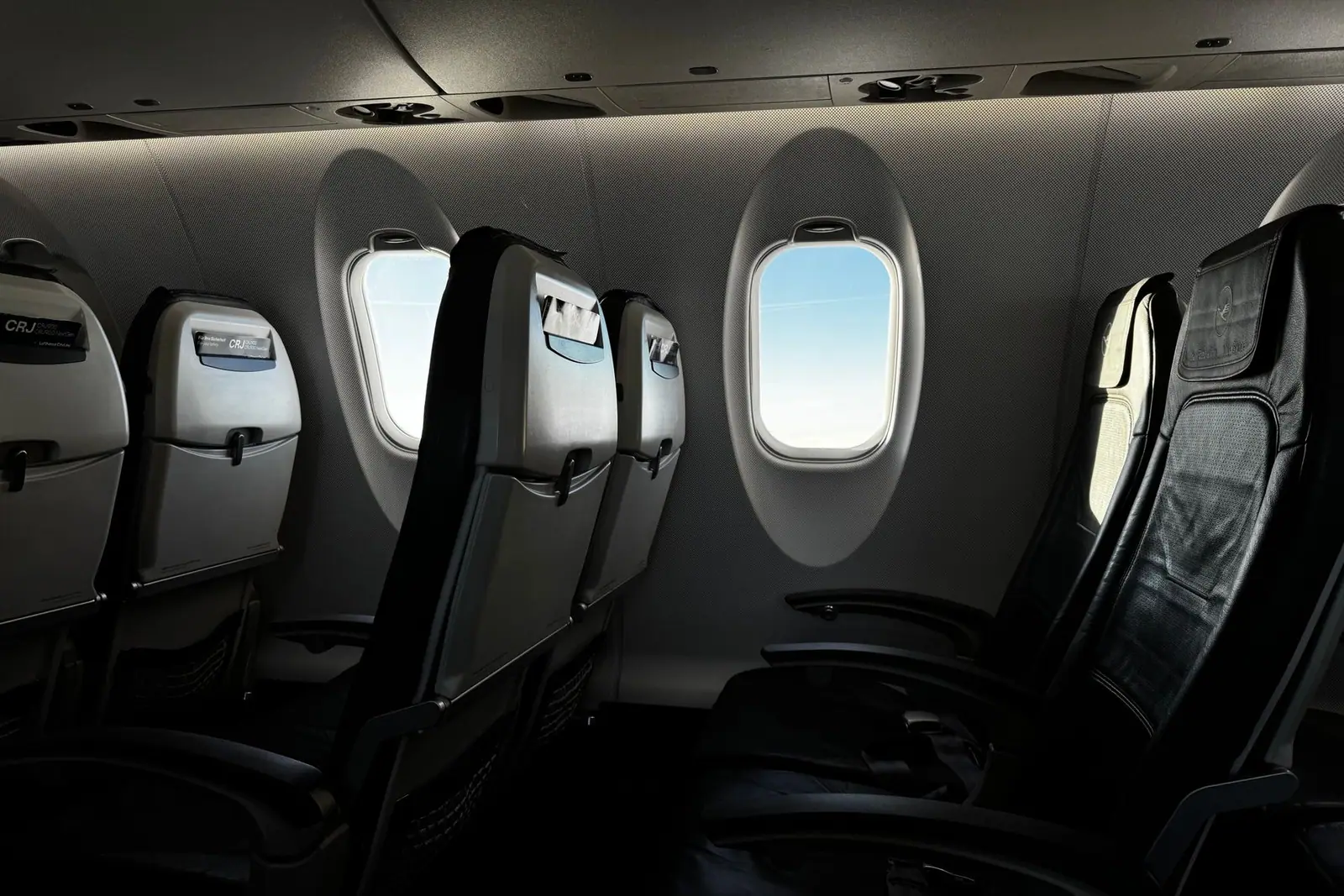
If buying a separate seat, verify aircraft approval, the restraint’s dimensions and permitted seat locations with the airline. Follow the manufacturer’s installation instructions. A checked car seat is different from a restraint reserved for onboard use. These distinctions prevent paying for a seat and discovering at the gate that the selected equipment cannot be used as planned.
An onboard bassinet is a limited service, not a reserved restraint
Delta publishes bassinet limits of under 25 pounds and up to 26 inches long on qualifying widebody flights. It lists widebody international service and widebody domestic flights over 1,500 miles. The service is free in eligible locations, but requests depend on availability and are not guaranteed. Ask reservations about the aircraft and seating arrangement for each segment.
Delta says the infant must be held during takeoff, landing and whenever the seat-belt light is on when using its bassinet arrangement. The FAA’s recommendation remains an approved restraint in the child’s own seat for the flight.
Do not pay for a seating upgrade solely on an assumption that it guarantees a bassinet. Ask whether the selected location, aircraft and infant size meet the airline’s requirements and what happens after an equipment change. Price the trip around confirmed purchases, keeping a requested convenience service separate from a reserved infant seat.
Documents and airport travel belong in the family total
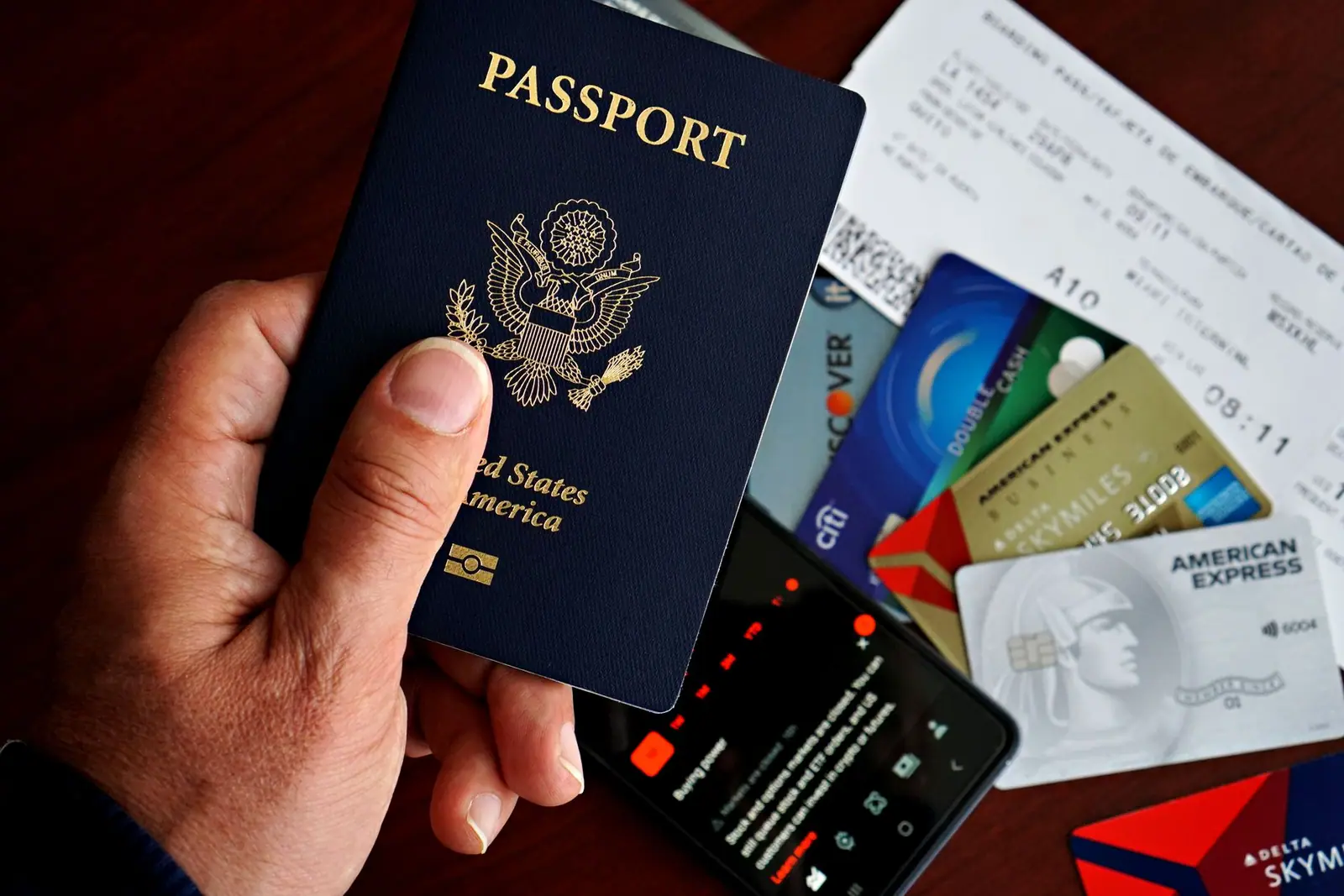
An international infant fare does not include the baby’s passport application, destination documents or transport to the airport. The baby passport cost guide breaks out federal application charges, photographs and faster service. Start documentation early enough that an airline purchase does not depend on an assumed passport arrival date.
Budget airport parking, ground transport and necessary equipment using the journey’s own quotes. If a car seat is needed for airport travel or at the destination, include that arrangement even when stroller checking on the flight is free. Do not treat a wearable carrier as an aircraft-approved restraint merely because it is convenient through the terminal.
Before checkout, assemble the adult tickets, infant ticket or separate-seat quote, ordinary baggage, confirmed equipment costs and document expenses in one trip worksheet. Record which operator handles each leg and the cancellation terms for each purchase. Then place the household’s share in the first-year baby budget. The cheapest advertised infant fare is only one line in that total.
Questions people ask
Do babies fly free on Delta?
Delta permits under-2 lap infants without an infant fare within the United States. International lap travel generally costs 10% of the adult fare plus taxes or fees, and a separate seat requires a paid ticket.
Can an empty seat be used instead of buying the baby a ticket?
Do not budget around an unoccupied seat being available. The FAA says buying the child's ticket guarantees that an approved restraint can have its own seat. Confirm installation and seat-location rules before travel.
Does a free lap infant get a separate checked bag?
Delta's baggage page says children traveling free have no ordinary baggage allowance. Strollers and child-restraint seats have separate fee-free checking rules.
What happens if the baby turns 2 during the trip?
Delta lists a child who turns 2 during the trip among those requiring a purchased ticket. Give reservations the date of birth and price the whole itinerary before booking.
Where these figures come from
- Infant Air Travel: Fares, Age Rules and Bassinets Delta Air Lines · delta.com
- Children and Infant Baggage Items Delta Air Lines · delta.com
- Kids' Corner: Child Restraints and Flying Safely Federal Aviation Administration · faa.gov
Figures last checked October 2026.